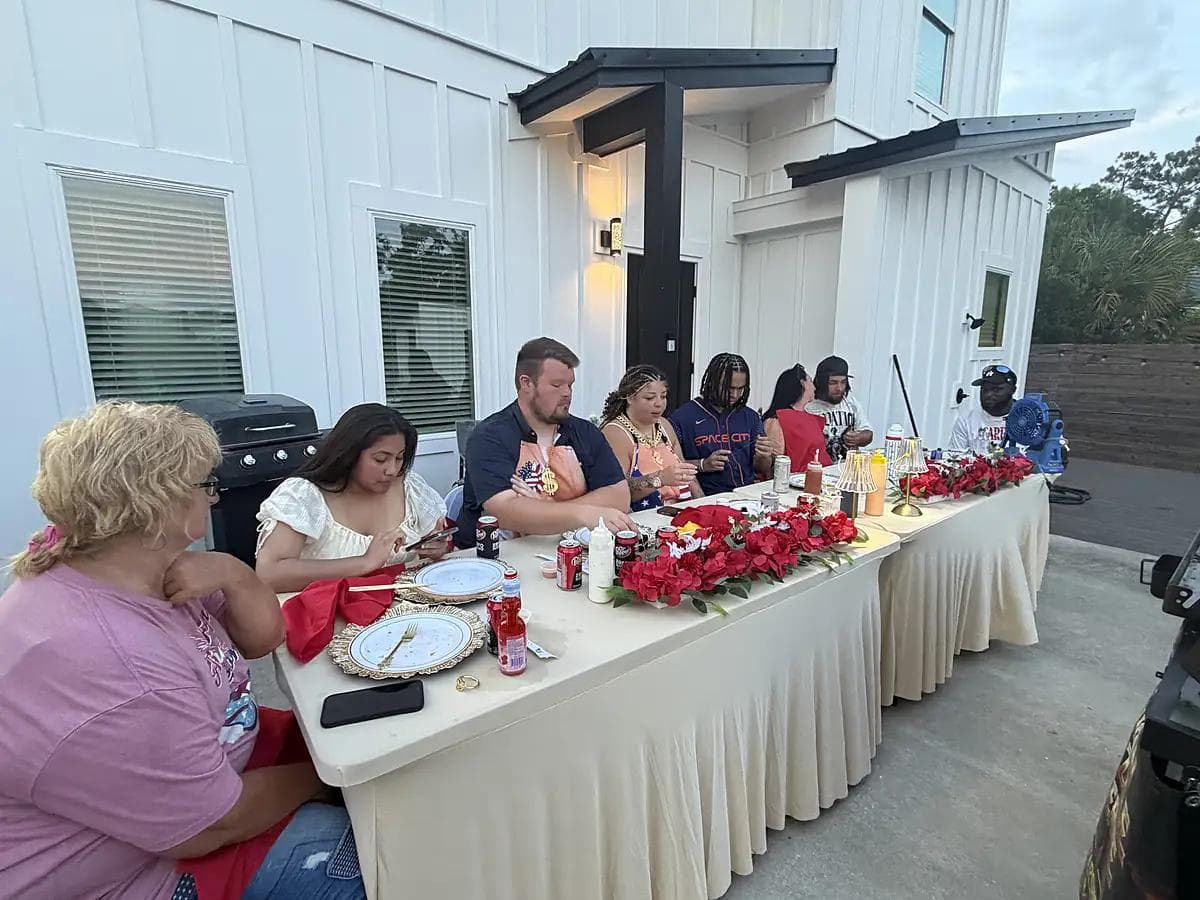
Kids' birthday hibachi: what to expect

What parents should expect from a kids' birthday hibachi party — timing, kid portions, safety, and how to balance entertainment with a real meal.
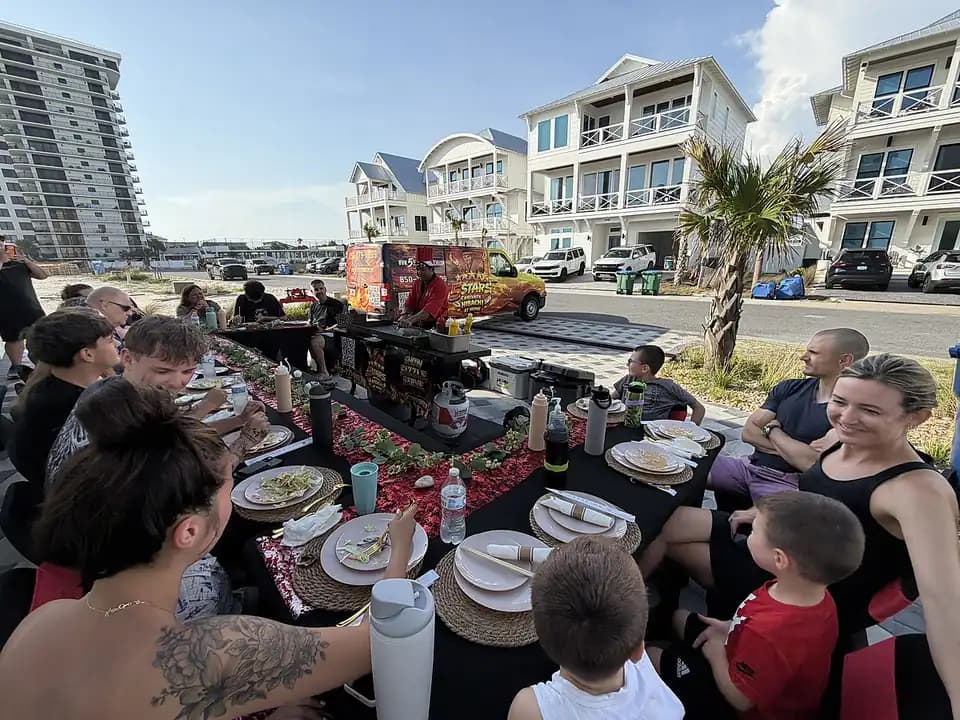


Overview
· 8 min read · Hibachi Five Star
TL;DR
Kids’ birthday hibachi works best from about age four up. Ages 5–12 eat the $30 Rising Star meal; under five can share an adult plate at no charge. Plan a four-to-six-foot safety buffer, seat the birthday child front and center, and bring cake out after the proteins — around the 60-minute mark — before teardown.
Why kids love hibachi — and why parents love it just as much
Kids do not sit still for a three-course dinner at a white-tablecloth restaurant, and expecting them to do so is a recipe for frustration on every side of the table. They do sit still — genuinely still, eyes wide, mouths slightly open — when a trained chef lights an onion volcano on fire three feet from their chair, flips a shrimp into a chef hat with a flick of the spatula, and sends fried rice flying across a blazing commercial grill in a choreographed cascade. Hibachi is the rare dinner format where the entertainment and the meal happen simultaneously in the same space, which means there is no separate kids' activity to book and manage, no mid-meal meltdowns triggered by boredom and hunger colliding, and no phones being slid under the table as a last-resort distraction. Parents love the format for a completely different but equally important reason: dinner actually happens. Instead of chasing restless kids through a crowded restaurant and apologizing to nearby tables for the disruption, the entire group stays contained at the rental. The kids are fully engaged watching the live cooking performance inches from their seats, plates get cleaned without negotiation, and the adults get to enjoy a real, hot, uninterrupted meal without trading off kid-wrangling duty every ten minutes.
What age is hibachi good for a kids birthday party?
Hibachi works remarkably well for children roughly ages four and up. The four-to-six-year-old range is the genuine sweet spot — these kids are old enough to understand and follow the basic safety rules about staying in their seats and keeping hands away from the grill perimeter, but young enough to be completely, unselfconsciously awestruck when the flames shoot up and the onion volcano takes shape. Their reactions are pure and unfiltered, and those reactions are what make the best photos and videos of the entire event. Seven-to-twelve-year-olds engage with the performance on a more interactive level: they will volunteer to catch a shrimp toss, cheer loudly for every fire trick, ask the chef questions between courses about how the spatula tricks work, and treat the dinner like a live show they have front-row seats to.
Toddlers under three can certainly attend and be part of the celebration, but they absolutely need a parent or responsible adult within arm's reach at every moment during the cooking and performance portions of the evening. The combination of noise from the sizzling grill, the radiant heat, the sudden visual drama of the flames, and the general sensory intensity can be genuinely overwhelming for very young children whose nervous systems are not yet wired to process that much stimulation at once. Plan a quiet, calm indoor space within direct eyeshot of the cooking area — a nearby bedroom with some books and soft toys, or a pack-and-play set up in a corner of the living room — where a toddler can retreat with a parent for a sensory break without pulling the whole family away from the party. Teenagers enjoy the hibachi experience every bit as much as adults, especially when premium protein options like filet mignon hit the grill and the spectacle of professional teppanyaki unfolds right in front of them at home rather than at a restaurant where they would be sharing a table with strangers.
What do kids eat at a hibachi birthday — portions and pricing
Children ages five through twelve eat from the thirty-dollar Rising Star Kids meal, which includes a kid-sized but genuinely satisfying portion of fried rice prepared fresh on the grill, grilled vegetables, one protein, and the house-made dipping sauces. This is a proper plate of food — not a sad, stripped-down half-portion of an adult meal served on a smaller plate with an apologetic shrug. It is sized for real kid appetites by design, and the portions are generous enough that a hungry ten-year-old will walk away full rather than rifling through the snack cabinet thirty minutes after dinner ends. Guests age thirteen and older use the adult package pricing at sixty dollars for the Platinum Stars package or seventy dollars for the All-Star Feast, depending on which package and protein configuration the host selects for the event.
Children under five may share an adult meal at absolutely no additional charge, which is a meaningful and appreciated policy for families with toddlers and preschoolers who are more interested in the fire show than the food and will pick at a few bites of rice and chicken before declaring themselves done. When a younger child genuinely needs and wants their own separate plate — maybe they have a surprisingly robust appetite, specific dietary requirements that do not align with what the adults are eating, or they simply do not share food well — you can order the full thirty-dollar Rising Star Kids meal for them as a separate plate. Mention any food allergies, sensitivities, or dietary restrictions during the booking process so the chef can plan proteins, sauces, and cooking sequences accordingly before arriving at the property. And if you have a picky eater in the group who will only touch plain white rice and chicken with sauce strictly on the side, the chef has seen that before and can absolutely accommodate it. The build-your-own approach works especially well for cautious eaters: plain rice for the purist, vegetables for the adventurous sibling, protein with sauce served on the side for the child who needs to inspect everything before committing to a bite. The show itself is a surprisingly effective secret weapon — a distracted, engaged picky eater will often try a bite of something new during the excitement of the performance that they would never touch at the kitchen table at home.
Is hibachi safe for children around the grill?
The hibachi grill is commercial-grade cooking equipment that reaches high operating temperatures, and safety is the absolute foundation of every children's party we run. There are no exceptions and no compromises on this point. The grill station is set up at a designated and clearly communicated distance from guest seating — typically four to six feet of open buffer zone — with a clearly marked perimeter that children are explicitly told they are not permitted to cross at any point during the show. The chef establishes these ground rules before the first flame ever appears: no standing up during the cooking performance, no running anywhere near the grill station or the cooking perimeter, and hands stay behind the safety line at all times. For beach house and vacation rental setups, we specifically require and prefer a level hard surface — a pool deck, a concrete driveway pad, or a stable covered patio. Soft sand, unlevel ground, gravel that shifts under weight, and areas with heavy foot traffic flowing near the grill zone are avoided completely in the setup plan.
Parents contribute to safety by staging children's seating on the outer rows with adults positioned closest to the cooking station as the buffer layer between the grill and the youngest guests. Closed-toe shoes are strongly recommended for all guests at a hibachi dinner, but especially for children, to protect against any stray splatter from the grill surface or a dropped utensil. Every Hibachi Five Star chef is formally trained, fully insured, and extensively experienced with family events that include children of all ages. They know exactly how to modulate the fire show for younger audiences — lower initial flames that build gradually, slower movement pacing, more direct eye contact and verbal check-ins with the youngest guests — so the excitement registers as thrilling fun rather than tipping over into genuine fear. If a child gets nervous or overwhelmed during the fire portion of the show, they simply move to a parent's lap and watch from a comfortable distance with no pressure, no problem, and no disruption to the experience for anyone else.
When should we bring out the birthday cake?
Timing the birthday cake moment is more strategically important than most hosts realize before their first hibachi party. Bring the cake out too early in the dinner sequence, and it interrupts the natural flow of the cooking show while guests are still eating savory courses and the chef is in the middle of the performance rhythm. Bring it out too late, after everyone has finished eating and the chef has already started breaking down the grill station, and the sugar buzz from cake and frosting collides directly with bedtime for the younger children, creating a chaotic final thirty minutes that nobody enjoys. The ideal cake window lands after the main proteins have finished cooking and been served to all guests, but before the chef begins the final teardown and cleanup of the cooking area — typically around the sixty-minute mark of the dinner service.
Have the cake staged nearby before the event starts, with candles already inserted, a lighter within easy reach, and a knife ready for slicing. The chef can pause the show briefly and naturally while the group sings, the birthday child makes a wish and blows out the candles, and photos are captured from every angle. Then cake gets sliced and distributed while the chef continues the cleanup process, so the dessert transition feels smooth and organic and the chef's pack-out timeline is not delayed. The birthday child gets their moment in the spotlight at exactly the right point in the evening — after the dinner show but before attention starts to drift toward cleanup and goodbyes.
Party favors, theme integration, and making the birthday kid feel like the star
A hibachi birthday pairs naturally and easily with themed party favors and decor that reinforce the experience without requiring a second mortgage or a professional event planner. Chopsticks wrapped in colorful ribbon, mini personalized soy sauce bottles with each child's name written on the label, paper fans, or custom fortune cookies with personalized messages inside make simple, on-brand, memorable take-home items that kids actually want to keep. Set favor bags at each child's place setting before guests arrive so the table looks festive and intentional the moment kids sit down and the party atmosphere is established before the first course.
For the birthday child specifically, consider surprising them with a mini chef hat and apron — we have watched parents present these to their child moments before the chef arrives, and the photos of the birthday kid feeling like they are part of the cooking team are consistently the highlight of the evening's photo gallery. The birthday child is not a passive spectator at this party — they are integrated into the experience in small, controlled, safe moments: catching the first shrimp toss, holding the spatula for a quick stir under the chef's guidance, or receiving the ceremonial first bite off the grill while everyone cheers. Nothing over the top or embarrassing for a shy kid — just small, genuine moments that make them feel like the star of their own show. Coordinate any special theme elements, surprises, or presentation requests with the booking team in advance so the chef knows what to expect and can weave those moments into the natural rhythm of the performance rather than improvising on the spot.
Beach house setup versus backyard — what changes and what stays the same
Vacation rental setups on 30A, Destin, and Miramar Beach demand slightly more advance planning than a permanent backyard at a primary residence, but the core requirements are identical. Most beach houses come equipped with pool decks or covered lanais that function perfectly as hibachi cooking stations — the surfaces are level, overhead cover provides weather flexibility and shade, and natural guest seating areas are already arranged nearby. Some rental properties have HOA rules about open-flame appliances or commercial cooking on the premises, so confirm the outdoor cooking policy with the property manager before booking the chef and paying the deposit. This is not a guess-and-hope situation — a quick call or email to the HOA or property manager during the planning phase eliminates the risk entirely.
For backyard parties at a permanent home in the area, the setup is even simpler: a level patio section, a cleared driveway pad, or a stable deck area with adequate clearance for the grill and guest seating. Add string lights overhead for atmosphere and warmth once the sun sets, and citronella candles or torches around the perimeter if mosquitoes are active in your location during the evening hours. In either scenario — rental or permanent home — the chef manages the full cooking zone from the moment of arrival through complete pack-out at the end of the night. The host's primary job is getting the children seated in the right configuration with the youngest kids on the outer rows and the birthday child front and center, and keeping the walkway around the grill clear throughout the show. Explore our birthday party options for kids of all ages, check current pricing for the Rising Star Kids meal, and book your child's birthday date before the calendar fills. Call 850-779-8899 with any questions about making your child's celebration one they will talk about until the next birthday rolls around.
Frequently asked questions
What age is hibachi good for kids?
How much is a kids hibachi meal?
Is hibachi safe for a kids birthday party?
When should we bring out the birthday cake?
Verified customer feedback
Read these reviews on Google Maps
“The best experience! We loved it for a bride to be!”
Alexandra Wyman
Google Maps · 5-star review
Open this review on Google Maps
“10 stars for 5 Star Hibachi!!! They couldn’t have been more fun, kind, prepared + the food was delicious!!! Highly recommend for at home hibachi ❤️”
Ansley Porter
Google Maps · 5-star review
Open this review on Google Maps
“They are so fun! Great food too. Dinner and a show”
Delaney
Google Maps · 5-star review
Open this review on Google Maps
Review source: Read all reviews on Google Maps